
- All
- Product Name
- Product Keyword
- Product Model
- Product Summary
- Product Description
- Multi Field Search
Views: 0 Author: Site Editor Publish Time: 2026-03-12 Origin: Site


In the fast-paced world of food startups, differentiation is everything. You might have the freshest salmon or the most perfectly seasoned rice, but if your packaging doesn't resonate with the modern consumer, your product risks getting lost on the shelf. Enter the sushi push pop tube—a packaging innovation that is revolutionizing the takeaway and ready-to-eat sector. For startup food brands looking to make a splash, this isn't just a container; it's a statement of convenience, hygiene, and eco-consciousness.
This guide will explore why the sushi push pop tube is the secret weapon your brand needs. We will delve into its dimensions, material benefits, customization options, and why sourcing from a reliable food-grade paper tube manufacturer is critical for your success. Specifically, we will focus on the industry-standard 50mm x 220mm dimension, a size that has become the gold standard for holding a satisfying portion of sushi rolls.
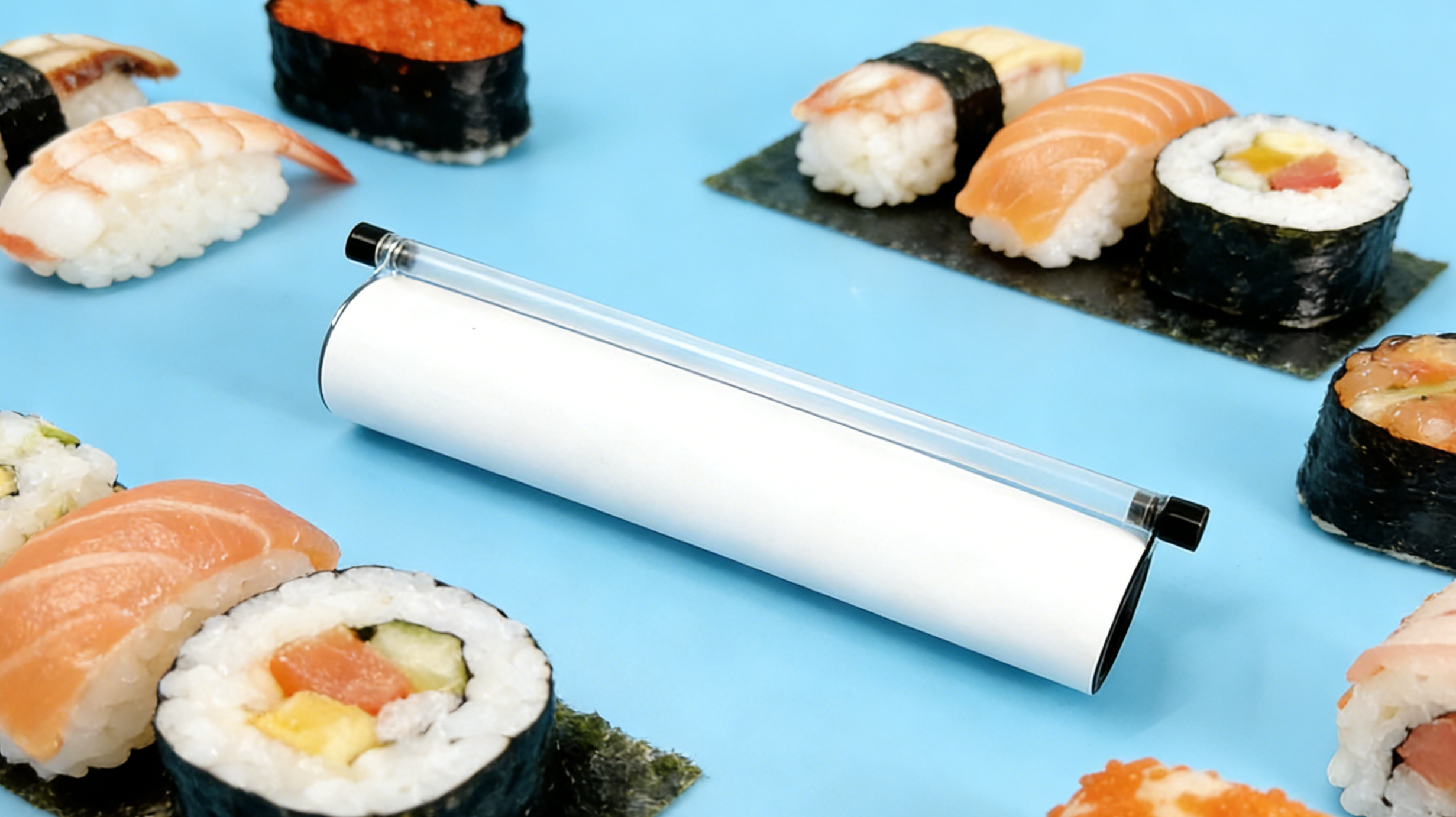
Imagine enjoying a full serving of sushi while walking in the park, sitting at your desk, or commuting to work—without chopsticks, without mess. That is the magic of the sushi push pop tube. Inspired by the mechanics of cosmetic push-pop tubes, this packaging consists of a cylindrical paper tube with a movable internal piston. When you push from the bottom, the sushi roll gently rises to the top, ready to be eaten in perfect, bite-sized increments.
For decades, sushi takeout has been dominated by clamshell boxes and plastic trays. While functional, these formats often require a stable surface and utensils. The sushi push pop tube transforms sushi from a "sit-down" meal into a high-end, portable snack. This aligns perfectly with the "new retail" trend, where the lines between in-store, online, and on-the-go consumption blur.
When selecting packaging, size accuracy is paramount. A tube that is too wide allows the sushi roll to shift or tumble, compromising its shape. A tube that is too narrow will crush the delicate rice and filling. After extensive market research and engineering refinement, the dimension of 50mm (diameter) x 220mm (height) has emerged as the "golden standard" for sushi push pop tubes.
l Diameter (50mm): This internal diameter is perfectly calibrated to accommodate a standard hand roll or a tightly packed sushi roll. It provides enough room to protect the integrity of the roll while ensuring it stays upright and secure.
l Height (220mm): This height offers the ideal portion size for a single meal—typically enough for 8 to 10 pieces of sushi. It is tall enough to be noticeable in a display fridge but compact enough to fit into a standard delivery bag or a car cup holder.
For a startup, nailing this dimension means you can promise consistency. Whether a customer buys your product on Monday or Friday, they know the fit and feel will be exactly the same.
Today's consumers, especially Gen Z and Millennials, vote with their wallets. They actively seek brands that prioritize the planet. This is where eco-friendly sushi push pop tube packaging becomes your strongest marketing asset. Unlike traditional plastic containers that contribute to ocean waste, paper tubes offer a sustainable alternative without compromising performance.
Many startups are turning to biodegradable push-up sushi containers to align their operations with green values. These tubes break down naturally over time, reducing the brand's carbon footprint. But sustainability isn't just about disposal; it's about the source. The best tubes are made from paper sourced from FSC-certified forests, ensuring that every tree used is replaced, maintaining the ecological balance.
Furthermore, the shift towards a circular economy has made recyclable craft paper sushi push pop tubes highly desirable. Craft paper offers a natural, rustic aesthetic that communicates an "organic" and "handmade" vibe to the customer. It moves away from the sterile look of plastic and taps into the artisanal feel that many food startups cultivate.
Not all paper tubes are created equal. When you are packaging ready-to-eat food, safety is non-negotiable. This is why partnering with a professional food-grade paper tube manufacturer is crucial. A reputable manufacturer ensures that every component—from the outer paper layer to the inner lining—is safe for direct food contact.
A trustworthy manufacturer will hold certifications like LFGB and FDA.
l LFGB (German Food and Commodities Act): Often considered the gold standard in food safety, it includes rigorous sensory tests to ensure the paper doesn't transfer any odor or taste to the delicate sushi. Your spicy tuna roll should taste like spicy tuna, not like the packaging it came in.
l FDA (Food and Drug Administration): For brands looking to enter the North American market, FDA compliance is essential. It certifies that all materials used are approved for contact with oily and acidic foods.
Sushi presents a unique challenge for paper packaging. It contains moisture from the rice and oils from fish like salmon or avocado. Without a proper barrier, the tube would become soggy and fall apart. Advanced manufacturers use specific coatings to prevent this:
l PE (Polyethylene) Coating: A standard, reliable layer that provides excellent moisture and oil resistance.
l PLA (Polylactic Acid) Coating: A plant-based, compostable plastic alternative made from corn starch. This is perfect for brands seeking biodegradable push-up sushi containers.
l Water-Based Barrier Coating: The latest innovation in eco-friendly packaging. This coating is plastic-free and allows the tube to be fully recyclable in standard paper streams while still providing necessary protection against grease and moisture.
In the startup phase, your packaging is your salesperson. It sits on the shelf, silently competing for attention. High-quality paper cylinder packaging offers a premium canvas for your brand story. Unlike flimsy plastic clamshells, a rigid paper tube feels substantial and luxurious in the hand. It suggests that the food inside is crafted with the same care.
The cylindrical shape itself is a differentiator. It breaks the monotony of square and rectangular boxes on the shelf, creating a "shelf standout" effect that draws the customer's eye. When a customer picks up a sushi push pop tube, they aren't just buying lunch; they are buying a novel experience.
Startups need to build brand recognition quickly. The exterior of your sushi push pop tube is prime real estate for your logo and messaging. Using food-safe, soy-based inks, manufacturers can print high-definition graphics directly onto the tube.
l Matte Finishes: Convey a natural, organic, and premium feel.
l Glossy Finishes: Make colors pop and give a vibrant, energetic look.
l Foil Stamping: For limited editions or luxury collaborations, gold or silver foil adds a touch of exclusivity.
As a startup, cash flow and inventory management are critical. You might worry that innovative packaging requires massive minimum order quantities (MOQs). However, many modern manufacturers are adapting to the needs of smaller brands. It is now possible to find suppliers offering recyclable craft paper sushi push pop tubes with relatively low MOQs, allowing you to test the market without overcommitting capital.
Furthermore, while the per-unit cost of a tube might be slightly higher than a basic plastic tray, the return on investment is often greater. Restaurants and brands using this format report they can charge a premium of 15–20% simply because the packaging elevates the perceived value of the food. This "wow factor" drives social media sharing. When customers film themselves pushing up the sushi to eat it, they are providing free advertising for your brand on TikTok and Instagram.
One of the biggest hurdles in sushi takeout is maintaining the texture of the nori (seaweed). In traditional boxes, steam from the rice quickly softens the nori, making it soggy and chewy. The design of a high-quality paper cylinder minimizes the air space around the food, reducing the oxygen that causes degradation. The tight seal, often combined with a separate compartment for soy sauce, ensures that the sushi remains fresh from the kitchen to the consumer's mouth.
Some advanced designs even feature snap-fit structures to securely hold a mini soy sauce bottle, preventing leaks and keeping the condiment separate until serving. This attention to detail enhances the user experience, making the customer feel cared for.
The food packaging industry is moving away from single-use plastics and boring boxes. The future belongs to interactive, sustainable, and visually appealing solutions. The sushi push pop tube checks all these boxes. For a startup food brand, adopting this packaging signals to the market that you are innovative, responsible, and in tune with consumer needs.
By choosing the standard 50mm x 220mm size, you ensure product consistency. By demanding recyclable craft paper tubes with food-safe coatings, you build trust with eco-conscious consumers. And by working with a dedicated food-grade paper tube manufacturer, you guarantee that your delicious creations are protected by packaging that is as high-quality as the ingredients inside.
sushi push pop tube
sushi pop up container
eco-friendly sushi push pop tube packaging


