
- All
- Product Name
- Product Keyword
- Product Model
- Product Summary
- Product Description
- Multi Field Search
Views: 0 Author: Site Editor Publish Time: 2026-02-28 Origin: Site


Walk into any retail store, browse an online marketplace, or unbox a recent purchase, and you'll notice one constant: packaging. Behind every carefully designed box sits an intricate supply chain, sophisticated machinery, and—most importantly—the right materials. For businesses seeking sustainable, durable, and attractive packaging solutions, understanding what goes into manufacturing paper boxes is essential.
Paper box factories don't just fold cardboard into shapes. They orchestrate a precise balance of material science, structural engineering, and environmental responsibility. Whether you're a brand owner evaluating packaging partners or a procurement professional comparing suppliers, knowing the core materials used in production will help you make informed decisions.
This guide breaks down the essential materials found in modern paper box factories, from base substrates to finishing touches, and explains why each component matters for your packaging needs.
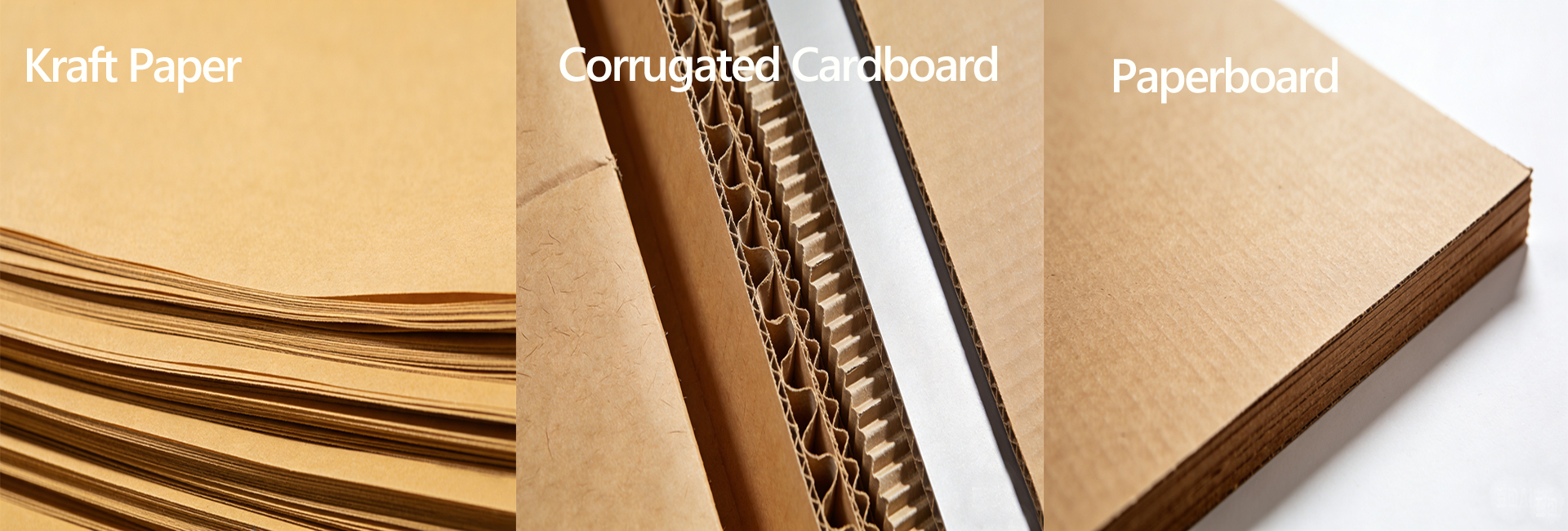
Kraft paper serves as the workhorse of the packaging industry. Produced through the kraft pulping process, this material offers exceptional strength-to-weight ratios that make it ideal for shipping containers, retail boxes, and protective packaging.
Key characteristics:
High tensile strength and tear resistance
Natural brown color (though bleached variants exist)
Excellent printability for branding
Superior durability for heavy-duty applications
Many custom paper box factories prefer kraft paper for clients who need robust packaging that can withstand the rigors of shipping and handling. Its natural appearance also appeals to brands emphasizing eco-friendly values.
Corrugated cardboard consists of three layers: an inner fluted sheet sandwiched between two flat linerboards. This construction creates remarkable cushioning properties while maintaining structural integrity.
Common corrugated profiles:
A-flute: Provides excellent cushioning for fragile items
B-flute: Offers a balance of protection and printability
C-flute: Standard shipping container material
E-flute: Thinner profile suitable for retail packaging
The choice of flute type depends on the application. Electronics manufacturers might choose A-flute for maximum protection, while cosmetics brands often select E-flute for its smooth printing surface and sleek presentation.
Unlike corrugated cardboard, paperboard is a single-layer material that comes in various thicknesses. It's the material of choice for paper gift box factories creating premium retail packaging, cosmetic boxes, and luxury product presentations.
Popular paperboard types:
SBS (Solid Bleached Sulfate): Bright white finish, excellent for high-quality printing
SUS (Solid Unbleached Sulfate): Natural kraft appearance with premium strength
Recycled paperboard: Environmentally conscious option made from post-consumer waste
Folding boxboard: Lightweight yet sturdy for food and pharmaceutical packaging
Paperboard excels when visual appeal matters as much as protection. Its smooth surface accepts detailed printing, embossing, and specialty finishes that elevate brand perception.
Modern paper box factories increasingly favor water-based adhesives over solvent-based alternatives. These adhesives offer several advantages:
Non-toxic and safe for food-contact applications
Low VOC (volatile organic compound) emissions
Recyclable with the paper substrate
Strong bonds that withstand temperature variations
For brands concerned about sustainability, water-based adhesives align with eco-friendly packaging initiatives without compromising structural integrity.
Hot melt adhesives provide instant bonding through heat activation. They're particularly useful for high-speed production lines where rapid assembly is critical.
Applications include:
Sealing box flaps and edges
Attaching display windows to gift boxes
Assembling complex multi-piece constructions
While not as environmentally friendly as water-based options, hot melts excel in scenarios requiring immediate bond strength.
Lamination adds a protective layer to paper boxes while enhancing visual appeal. Common options include:
Glossy lamination: Creates a shiny, vibrant finish that makes colors pop
Matte lamination: Provides a sophisticated, understated look with reduced glare
Soft-touch lamination: Delivers a velvety texture that conveys luxury
These films protect printed surfaces from scratches, moisture, and UV damage—extending the shelf life of packaged products.
Varnishes offer an alternative to lamination with varying levels of shine and protection:
UV varnish: Applied to specific areas for spot highlights
Aqueous coating: Water-based protection suitable for recyclable packaging
Oil-based varnish: Traditional option with excellent color depth
Coatings serve dual purposes: protecting the packaging during transit while reinforcing brand identity through visual differentiation.
Foil stamping transforms ordinary packaging into premium presentations. Available in gold, silver, copper, and holographic finishes, metallic foils catch light and draw attention on retail shelves.
Common applications include:
Brand logos and wordmarks
Decorative borders and patterns
Highlighting key product features
For paper gift box factories, ribbons, magnetic closures, and decorative elements complete the unboxing experience:
Satin and grosgrain ribbons in custom colors
Magnetic closures for easy-open luxury boxes
Decorative inserts and tissue paper
Custom die-cut windows showcasing products
These touches might seem minor, but they significantly impact perceived value and customer satisfaction.
Environmental consciousness drives material selection in modern packaging facilities. Recycled paperboard and kraft paper reduce virgin fiber consumption while maintaining quality standards.
Benefits of recycled materials:
Lower carbon footprint in production
Meets consumer demand for sustainable packaging
Often qualifies for environmental certifications (FSC, PEFC)
Can reduce material costs
Companies like Hannpack demonstrate how eco-friendly materials don't require sacrificing quality or aesthetics. Their dual ISO9001/FSC certification systems ensure products excel in both durability and environmental responsibility.
Beyond recycled content, factories increasingly incorporate:
Compostable coatings replacing plastic lamination
Plant-based adhesives derived from corn or potato starch
Soy-based or vegetable-based printing inks
Water-soluble window materials for display boxes
These innovations help brands achieve sustainability goals while maintaining functional packaging performance.
Factor | Impact on Final Product | Key Questions |
|---|---|---|
Strength Requirements | Determines substrate thickness and construction | Will the box ship long distances? Does it need stacking strength? |
Print Quality | Affects substrate smoothness and coating choice | How detailed is the graphics? Are color accuracy and vibrancy critical? |
Environmental Goals | Influences recycled content and material certifications | What sustainability standards must the packaging meet? |
Budget Constraints | Balances material costs with performance needs | What's the acceptable cost per unit at scale? |
Regulatory Compliance | Determines food-safe adhesives and coatings | Will packaging contact consumable products? |
Successful packaging projects require balancing these factors based on product requirements, brand positioning, and market expectations.
Reputable paper box factories implement rigorous quality control protocols to ensure material consistency:
Incoming material inspection: Testing raw materials for weight, moisture content, and structural properties
In-process monitoring: Verifying adhesive strength, coating uniformity, and dimensional accuracy
Finished product testing: Compression tests, drop tests, and visual inspections before shipment
These quality checkpoints prevent defects and ensure packaging performs as designed throughout its lifecycle.
Understanding how materials transform into finished packaging provides context for material selection:
Design and prototyping: Engineers create structural designs optimized for chosen materials
Die-cutting: Precision cutting machines shape paper substrates into box blanks
Printing: Offset, flexographic, or digital printing applies branding and graphics
Finishing: Lamination, varnishing, and embellishments enhance appearance and protection
Folding and gluing: Automated equipment assembles flat blanks into three-dimensional boxes
Quality inspection: Final checks ensure specifications are met before packaging for shipment
Each step requires materials specifically engineered for that manufacturing stage—from printable surfaces to adhesives that bond cleanly without residue.
Material expertise separates average packaging suppliers from exceptional partners. When evaluating factories, consider:
Material sourcing transparency: Do they disclose material origins and certifications?
Customization capabilities: Can they recommend materials for specific applications?
Sustainability practices: What percentage of materials come from renewable or recycled sources?
Technical support: Do they offer material samples and testing for your products?
Companies like Hannpack demonstrate comprehensive material knowledge through their diverse product range—from sushi push pop tubes requiring food-safe materials to industrial-grade paper tubes demanding high load-bearing capacity.
The packaging industry continues evolving with emerging materials and technologies:
Barrier coatings: Water-based alternatives to plastic films for moisture protection
Antimicrobial treatments: Materials that inhibit bacterial growth for food packaging
Smart packaging: Embedded sensors and indicators using conductive inks
Bio-based polymers: Plant-derived materials replacing petroleum-based components
These innovations promise packaging that's simultaneously more functional, sustainable, and cost-effective.
The materials used in a paper box factory directly impact packaging performance, environmental footprint, and brand perception. From kraft paper's reliable strength to specialty finishes that elevate luxury products, each material serves specific purposes in creating effective packaging solutions.
Whether you need robust shipping containers, elegant gift boxes, or innovative solutions like eco-friendly push pop tubes, understanding material options empowers better decision-making. The right materials—combined with expert manufacturing—transform functional boxes into brand ambassadors that protect products and delight customers.
Ready to explore custom packaging solutions built from quality materials? Contact Hannpack to discuss how our material expertise and sustainable manufacturing can support your packaging goals.


