
- All
- Product Name
- Product Keyword
- Product Model
- Product Summary
- Product Description
- Multi Field Search
Views: 0 Author: Site Editor Publish Time: 2026-03-05 Origin: Site


Sushi has always been an art form. From the precision of the knife cuts to the careful layering of each roll, presentation matters. But for years, the takeout experience has failed to match the craftsmanship of the food itself. Flat plastic trays, flimsy lids, and leaking sauce packets have long been the norm—and customers have simply accepted it.
That's starting to change. The push pop paper tube for sushi cake is quickly becoming the go-to packaging solution for sushi restaurants, delivery services, and catering businesses worldwide. Compact, elegant, and surprisingly functional, this food-grade tube is redefining how sushi is packaged, delivered, and eaten.
So what makes it worth the switch? This post breaks down the key benefits of paper sushi tubes, answers common questions from business owners and food lovers alike, and explains why this format is quickly moving from novelty to necessity.
A push pop paper tube for sushi is a cylindrical, food-grade container designed to hold a single sushi roll upright. The tube features a push mechanism at the base: once the cap is removed, the user presses the bottom of the tube upward, cleanly releasing the roll from the top—intact, undisturbed, and ready to eat.
Most versions also include an integrated sauce compartment at the top of the tube. This small but clever detail pre-measures the perfect amount of soy sauce, ponzu, or another condiment alongside the roll. No extra packets. No spills. No mess.
The body of the tube is typically made from FSC-certified, food-grade paperboard—sustainable, sturdy, and safe for direct contact with food. Products like the Hannpack Eco-Friendly Sushi Push Pop Tube combine this structural design with full-color customizable printing, making them both functional and on-brand.
The short answer: traditional packaging simply doesn't protect sushi the way it needs to be protected.
Flat boxes allow rolls to shift in transit. Stacked trays cause layers to compress. And anyone who has ever ordered sushi delivery knows the frustration of opening a box to find a deconstructed mess.
Food grade tube packaging for sushi solves this problem at the structural level. The cylindrical shape cradles the roll snugly, preventing lateral movement. The vertical orientation keeps the roll's layers intact. And the push-release mechanism means the sushi is never handled unnecessarily, reducing the risk of contamination.
Beyond food integrity, there's a business case. Cylindrical packaging is more resistant to crushing than flat boxes, which means fewer customer complaints and fewer costly remakes. For high-volume delivery operations, that difference adds up quickly.
Here's a clear comparison of how food grade push pop tube packaging stacks up against traditional sushi packaging:
Feature | Traditional Sushi Box | Push Pop Paper Tube |
|---|---|---|
Roll integrity in transit | Often compromised | Maintained via snug cylindrical fit |
Sauce included | Separate packet required | Integrated sauce compartment |
Ease of eating | Requires chopsticks or handling | Push-to-release mechanism |
Branding surface | Flat lid, limited space | Full cylindrical canvas for printing |
Material sustainability | Typically plastic or mixed | FSC-certified food-grade paperboard |
Crush resistance | Low (flat structure) | High (cylindrical structure) |
Customer experience | Functional, forgettable | Interactive, memorable |
The table above makes one thing clear: the push pop paper tube offers tangible improvements in almost every category.
Yes—and this is a non-negotiable for any responsible food business.
Reputable manufacturers produce these tubes using food-grade, FSC-certified paperboard for the main body and food-grade polypropylene (PP) for the sauce compartment. These materials are designed specifically for contact with consumable products. They are non-toxic, odor-neutral, and free from harmful coatings that could leach into food.
When sourcing food grade push pop tube packaging for sushi, always confirm that your supplier uses materials certified for food contact. Manufacturers like Hannpack build these compliance standards into every product, which is why their tubes are trusted by sushi restaurants and delivery services across global markets.
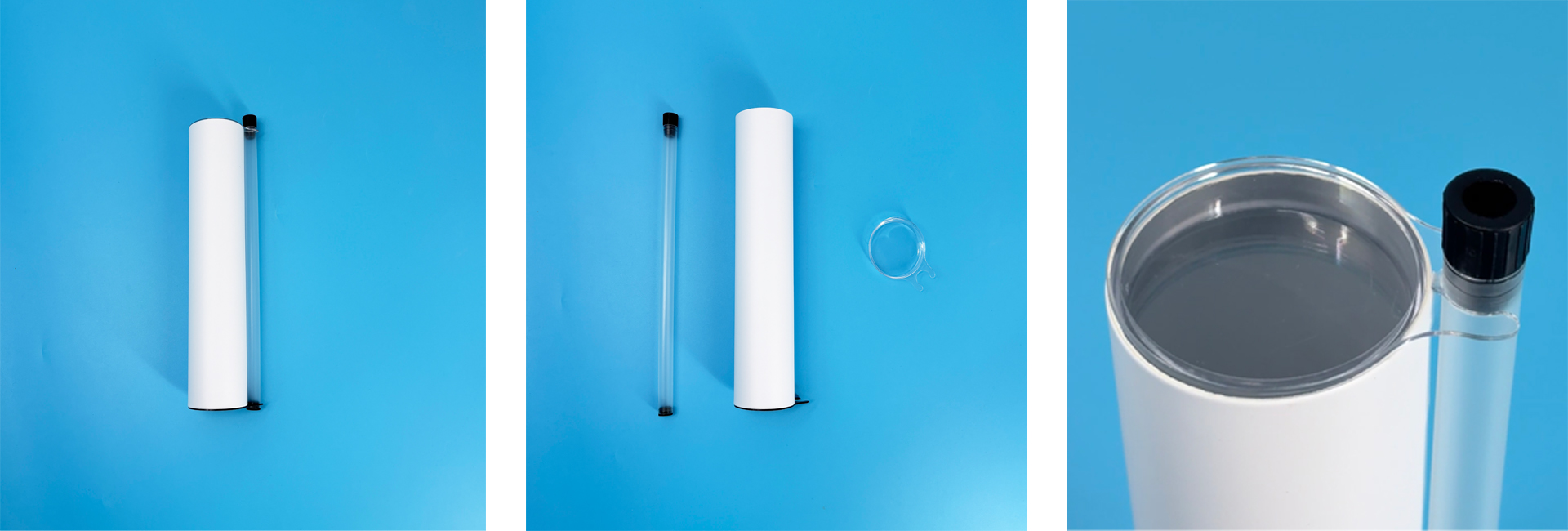
Absolutely. Customization is actually one of the strongest selling points of this packaging format.
The cylindrical surface of the tube functions as a 360-degree branding canvas. High-resolution offset and flexographic printing allow for vibrant logos, seasonal designs, and detailed brand messaging. For sushi cake presentations—layered, visually striking, and typically served at events or as specialty items—this level of branding transforms packaging into part of the product experience.
Here is a summary of the main customization options available:
Customization Area | Available Options |
|---|---|
Dimensions | Adjustable diameter and length to fit standard maki, specialty rolls, or sushi cake portions |
Printing | Full-color printing with logo placement and custom artwork |
Material Finishes | Gloss or matte lamination, spot UV coating, recycled paperboard options |
Sauce Compartment | Adjustable volume; compatible with soy sauce, eel sauce, ponzu, and more |
Packaging Format | Bulk cartons for commercial kitchens or retail-ready sleeves for point-of-sale display |
For sushi cake packaging specifically, the ability to adjust the tube's length and diameter is particularly valuable. A standard maki roll and a generously portioned sushi cake slice have very different spatial requirements—and a good manufacturer will accommodate both.
Packaging has always influenced how people feel about food. The push pop paper tube turns an everyday transaction into a small, memorable moment.
The push-to-release mechanism is intuitive and satisfying. It keeps hands clean, requires no utensils, and delivers the roll in exactly the condition it was packed. That combination of hygiene, convenience, and novelty makes it highly shareable on social media—a meaningful benefit for any food business looking to generate organic visibility.
Customers who receive sushi in a well-designed, food-grade push pop tube are more likely to photograph it, post it, and associate the brand with quality. That kind of impression is hard to achieve with a standard plastic tray.
The push pop paper tube for sushi cake is not a trend that will fade with the next food cycle. The structural benefits are real. The sustainability credentials are verifiable. And the customer experience improvements are measurable.
For sushi restaurants, delivery services, and catering operations looking to upgrade their packaging—and their brand perception in the process—this is a practical, well-tested solution. Explore Hannpack's eco-friendly sushi push pop tube to learn more about product specifications, customization options, and how to request samples for your business.


