
- All
- Product Name
- Product Keyword
- Product Model
- Product Summary
- Product Description
- Multi Field Search
Views: 0 Author: Site Editor Publish Time: 2026-02-24 Origin: Site


Crushed sushi rolls. Leaked soy sauce packets. A disappointing unboxing experience that undermines hours of careful preparation in the kitchen. If you've ever ordered takeout sushi, you know these frustrations all too well.
Traditional packaging methods—flat trays, hinged boxes, and flimsy containers—were designed for convenience, not for preserving the artistry of sushi. They fail to address the core challenges of modern food delivery: protecting delicate products during transit, maintaining presentation quality, and creating a memorable brand experience.
The sushi push pop tube represents a fundamental shift in how we think about food packaging. This cylindrical, push-activated container does more than hold food—it transforms the entire takeout experience. By combining intelligent engineering with sustainable materials, it solves the persistent problems that have plagued sushi delivery for decades.
This guide explores how sushi push pop tubes work, why they outperform conventional packaging, and how they can elevate your brand in an increasingly competitive market.
The sushi push pop tube reimagines food packaging through a two-component system that prioritizes both protection and presentation.
The Core Design Philosophy
Unlike flat boxes that allow food to shift and slide during transport, the cylindrical structure of a sushi push pop tube creates a secure, snug environment. Each roll fits perfectly within the tube's diameter, eliminating the movement that causes deconstructed rolls and messy presentations.
The main chamber uses food-grade, FSC-certified paperboard—a material that balances structural integrity with environmental responsibility. This kraft paper push up tube provides the rigidity needed to withstand delivery conditions while remaining fully recyclable.
The Push Mechanism Advantage
The defining feature is the integrated push mechanism. A smaller tube sits atop the main chamber, serving dual purposes:
Sauce Storage: It holds pre-measured portions of soy sauce, ponzu, or custom condiments in a sealed compartment
Activation System: When ready to eat, users press down on this module, which acts as a plunger that pushes the sushi cleanly out of the bottom opening
This push-to-eat design eliminates the need for fingers to fumble inside containers, separate chopsticks to extract food, or additional plates for serving. The sushi emerges intact, maintaining its visual appeal and structural integrity.
Every restaurant owner and delivery service manager knows the cost of packaging failures. Crushed products lead to customer complaints, negative reviews, and refund requests. The sushi push up holder addresses these issues systematically.
Problem-Solution Comparison
Traditional Packaging Challenge | Sushi Push Pop Tube Solution | Business Impact |
|---|---|---|
Rolls shift and crush during delivery | Cylindrical design prevents movement | Fewer customer complaints and refunds |
Sauce packets leak or go missing | Integrated sauce compartment | Enhanced customer satisfaction |
Difficult to eat without making a mess | Push mechanism provides controlled dispensing | More shareable social media moments |
Generic appearance limits branding | 360-degree printable surface | Stronger brand recognition and recall |
Excessive packaging waste | Compact, all-in-one design uses less material | Reduced costs and improved sustainability metrics |
The Transit Protection Factor
During delivery, packages endure stacking, jostling, and temperature fluctuations. The round cylinder shape of kraft paper push up tubes naturally resists crushing pressure from above. Unlike rectangular boxes with weak points at corners and edges, the tube distributes force evenly across its surface.
This structural advantage means sushi arrives in the same pristine condition it left the restaurant. For businesses, this translates directly to reduced waste, fewer remakes, and higher customer retention rates.
The Hygiene Advantage
Traditional packaging requires customers to reach into containers with their hands or chopsticks, potentially contaminating remaining food. The push mechanism maintains a sanitary barrier—users only touch the exterior plunger, never the food itself. This feature became particularly valuable during heightened health consciousness periods and remains a selling point for quality-focused brands.
Generic packaging fails to differentiate your brand in crowded markets. The cylindrical surface of sushi push pop tubes offers extensive customization possibilities that transform functional containers into marketing assets.
Design Customization Overview
Customization Element | Available Options | Marketing Benefit |
|---|---|---|
Dimensions | Diameter: 45-60mm; Length: 70-120mm | Fits various roll sizes from hosomaki to futomaki |
Printing | High-resolution offset or flexographic printing | Vibrant colors that capture brand identity accurately |
Surface Finish | Gloss lamination, matte coating, spot UV | Premium look and feel that signals quality |
Graphics | Full-color printing, logo placement, pattern design | 360-degree branding creates walking advertisements |
Material Options | Recycled paperboard, water-resistant coatings | Aligns with sustainability messaging |
Sauce Compartment | Variable volume, compatible with different viscosities | Accommodates specialty sauces for signature dishes |
Brand Story Integration
The large printable surface allows restaurants to share their story, values, and personality. You can include:
Origin stories about sourcing premium fish
Chef profiles that build trust and connection
QR codes linking to loyalty programs or social media
Sustainability commitments that resonate with conscious consumers
Instructions for optimal enjoyment
This storytelling capability transforms packaging from a functional necessity into an extension of your brand experience. Every tube becomes a tangible reminder of what makes your restaurant unique.
The Unboxing Experience
Consumer behavior has shifted dramatically with the rise of social media. Customers don't just eat food—they photograph it, share it, and create content around it. The interactive nature of sushi push pop tubes creates "Instagram-worthy" moments that traditional packaging can't match.
The push-and-reveal action generates curiosity and delight. This emotional response drives social sharing, which provides free marketing reach to highly targeted audiences. Restaurants report increased tagged posts and user-generated content after switching to push pop tube packaging.
Environmental concerns shape purchasing decisions across demographics. Younger consumers especially prioritize brands that demonstrate genuine commitment to sustainability. The shift from plastic-heavy packaging to kraft paper push up tubes offers measurable environmental benefits.
Material Advantages
Food-grade paperboard comes from renewable resources. When sourced from FSC-certified forests, it ensures responsible forestry practices that balance harvest with regeneration. Unlike petroleum-based plastics that persist in landfills for centuries, paper-based tubes biodegrade naturally.
The production process for paper tubes typically requires less energy than plastic manufacturing. This lower carbon footprint appeals to environmentally conscious customers and helps restaurants meet sustainability targets.
Waste Reduction Through Design
Traditional sushi packaging often involves multiple components: the main container, a separate sauce packet, napkins, and sometimes additional wrapping. Each element creates waste. The integrated design of sushi push pop tubes consolidates these functions into a single recyclable unit.
This consolidation reduces material usage without compromising functionality. Restaurants report 20-30% reductions in packaging volume, which translates to lower shipping costs, reduced storage space requirements, and decreased waste management expenses.
The Circular Economy Connection
After use, kraft paper push up tubes enter established recycling streams. The paperboard components can be repulped and reformed into new paper products. Some manufacturers, including Hannpack, offer programs where restaurants can return used tubes for recycling, creating closed-loop systems that minimize environmental impact.
This circularity strengthens brand positioning. Restaurants can communicate concrete environmental actions rather than vague commitments, building trust with sustainability-focused customers.
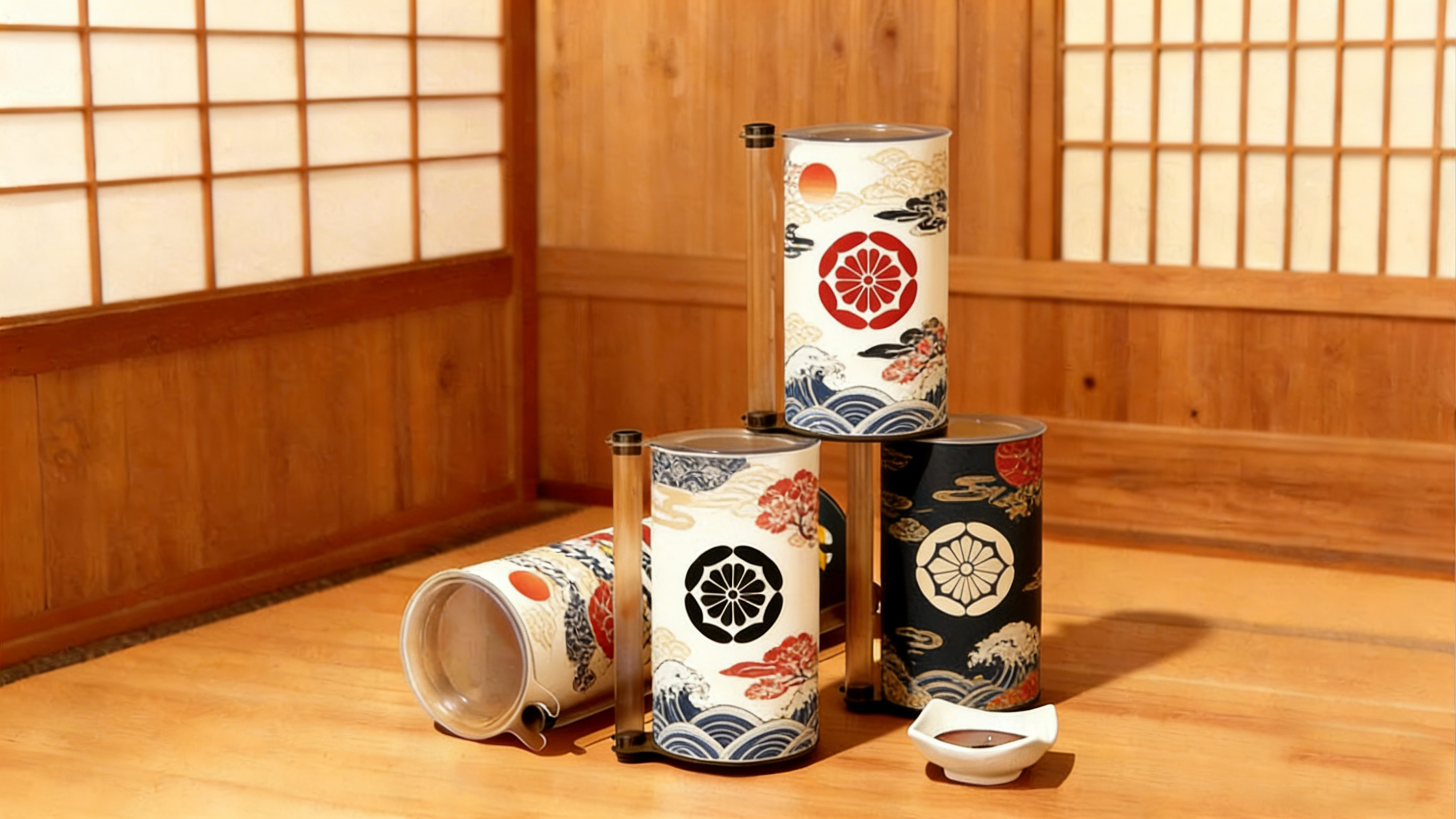
Packaging decisions affect more than customer experience—they impact operational efficiency, cost structures, and profit margins. Sushi push pop tubes offer several business advantages beyond their consumer-facing benefits.
Storage and Logistics Efficiency
The cylindrical shape stacks efficiently, maximizing storage space in kitchens and delivery vehicles. Unlike irregularly shaped boxes that waste space, tubes can be arranged in tight, stable configurations. This density improvement means:
More units per delivery run
Reduced trip frequency
Lower fuel costs
Smaller storage footprint in restaurant facilities
Preparation Speed
Assembly matters during peak service hours. Sushi push pop tubes require fewer steps than traditional boxing methods:
Insert sushi roll into tube
Add sauce to compartment
Seal with cap
This streamlined process reduces labor time per order. During busy periods, these seconds compound into significant productivity gains.
Quality Control Standardization
The consistent dimensions and assembly process make quality control easier. Staff can quickly verify that each tube contains the correct roll, appropriate sauce amount, and secure sealing. This standardization reduces errors and maintains consistency across shifts and locations.
Cost Analysis
While sushi push up holders may have higher per-unit costs than basic plastic clamshells, the total cost of ownership tells a different story:
Cost Factor | Traditional Packaging | Sushi Push Pop Tubes | Net Impact |
|---|---|---|---|
Material cost per unit | Lower | Higher | Initial disadvantage |
Damage/remake rate | 8-12% of orders | 1-3% of orders | Significant savings |
Storage space required | Higher | Lower | Reduced facility costs |
Brand differentiation value | Minimal | High | Increased customer acquisition |
Customer lifetime value | Standard | Elevated through experience | Higher revenue per customer |
The reduction in damaged orders alone often offsets the higher material costs. Add the marketing value and customer retention benefits, and the economic case becomes compelling.
Transitioning to new packaging requires planning and execution. Successful implementation involves several key considerations.
Sizing Your Selection
Not all sushi rolls have identical dimensions. Restaurants typically need 2-3 tube sizes to accommodate their menu:
Small (45mm diameter): Hosomaki and simple rolls
Medium (50mm diameter): Standard maki rolls
Large (55-60mm diameter): Futomaki and specialty rolls with multiple ingredients
Working with manufacturers to test sample sizes ensures proper fit before committing to large orders.
Design Development Process
Creating effective custom designs involves collaboration between restaurant marketing teams and packaging manufacturers. The process typically includes:
Brand audit: Review existing visual identity elements
Design mockups: Create digital renderings of wrapped tubes
Sample production: Manufacture physical samples for evaluation
Refinement: Adjust colors, placement, and finishing based on samples
Production run: Execute final large-scale manufacturing
Allow 6-8 weeks for this process when launching custom designs.
Staff Training
Even simple packaging requires training for consistent execution. Create clear protocols for:
Proper roll insertion technique
Sauce filling procedures
Quality checks before sealing
Storage and handling to prevent damage
Visual guides posted in prep areas help maintain standards across all shifts.
Customer Education
The push mechanism is intuitive, but first-time users benefit from guidance. Include simple instructions on the tube exterior:
Remove cap
Press plunger down
Enjoy your perfectly intact sushi
Some restaurants create short social media videos demonstrating the unboxing experience, which serves dual purposes: educating customers and generating shareable content.
Quality varies significantly across manufacturers. Selecting the right partner ensures reliable supply, consistent quality, and responsive support.
Critical Evaluation Criteria
Factor | Why It Matters | Questions to Ask |
|---|---|---|
Food Safety Certification | Direct food contact requires certified materials | Do you have FDA approval for food-grade paperboard? |
Production Capacity | Ensures supply meets demand as you scale | What's your minimum order quantity and typical lead time? |
Customization Capabilities | Determines branding flexibility | What printing methods and finishes do you offer? |
Quality Control Systems | Affects consistency and reliability | What defect rate should we expect, and what's your warranty? |
Sustainability Credentials | Supports your environmental messaging | Are your materials FSC-certified? Do you offer recycling programs? |
Technical Support | Helps optimize design and usage | Do you provide design assistance and implementation support? |
The Manufacturer Relationship
Think beyond transactional supplier relationships. The best partnerships involve manufacturers who understand your business goals and can advise on packaging strategy. Look for providers who:
Offer design consultation services
Provide market insights about packaging trends
Suggest improvements based on industry experience
Maintain transparent communication about production timelines
Stand behind their products with clear warranties
Hannpack exemplifies this partnership approach, controlling the entire manufacturing process from raw materials to final quality inspection, ensuring consistent standards and reliable supply chains.
The sushi push pop tube represents more than incremental improvement—it's a complete reimagining of food packaging priorities. By protecting product integrity, enhancing brand presentation, and supporting sustainability goals, these kraft paper push up tubes address the fundamental challenges of modern food delivery.
Restaurants that adopt innovative packaging gain competitive advantages in crowded markets. They reduce operational costs through fewer remakes and damage claims. They strengthen customer relationships through memorable unboxing experiences. They demonstrate environmental responsibility through material choices that align with consumer values.
The question isn't whether innovative packaging matters—customer expectations and competitive pressures make that clear. The question is whether you'll lead the transition or follow as competitors capture the benefits first.
Contact packaging specialists to explore customization options, request samples, and develop implementation plans tailored to your specific menu and brand identity. The perfect tube for your signature rolls is waiting to be designed.


